*

Untitled #5: The Paradigm of Extraction
10″x12″
Watercolor
2003
By Ricardo F. Morín
Oct. 2025
Oakland Park, Fl
*
The story of artificial intelligence is usually told as one of endless promise—a technology meant to transform economies and redefine human potential. Yet beneath the optimism lies an older reality: the conversion of human creativity into concentrated wealth. What is presented as progress often repeats the oldest economic pattern of all—the extraction of value from the many for the benefit of the few. The language surrounding AI hides this continuity. It turns innovation into a spectacle of inevitability, a vision of boundless gain that distracts from its unequal foundations.
The spectacle depends on persuasion. Words like manifested intelligence, the next trillion-dollar frontier, and inevitable transformation are not descriptions; they are marketing. They frame profit as destiny and invite participation not in discovery but in speculation. Numbers such as “$80 trillion” and “25,000 percent returns” echo through news cycles like prophecies, and turn investment forecasts into moral certainty. This rhetoric reshapes public imagination. AI stops being a tool for solving human problems and becomes a financial phenomenon—a story about wealth rather than understanding.
These promises do not mark a new beginning. They repeat the same cycle that accompanied every major invention. The Industrial Revolution produced machines that changed work but deepened social divides. The digital revolution spread information but concentrated ownership. AI now enters that history as its newest expression. Its power to expand knowledge and serve the public good is real, but its first allegiance remains to profit. Within existing systems, it accelerates the accumulation of capital instead of correcting its imbalance.
The mechanisms of this concentration are easy to see. Proprietary models fence off knowledge behind paywalls and patents. Data collected from the public becomes private property. The cost of computing power and specialized expertise limits who can participate. The outcome is predictable: the majority will experience AI not as empowerment but as dependency. Far from leveling inequality, it builds it into the infrastructure of tomorrow.
This direction grows more troubling when placed beside the world’s most urgent needs. Billions of people still live without reliable food, healthcare, or education—conditions technology could transform but rarely does. The most profitable uses of AI instead optimize advertising, influence behavior, and extend surveillance. These are not accidents. They are the logical results of a system that values profit over human welfare. When progress is measured only in shareholder value, technology loses its moral compass and society loses its claim to wisdom.
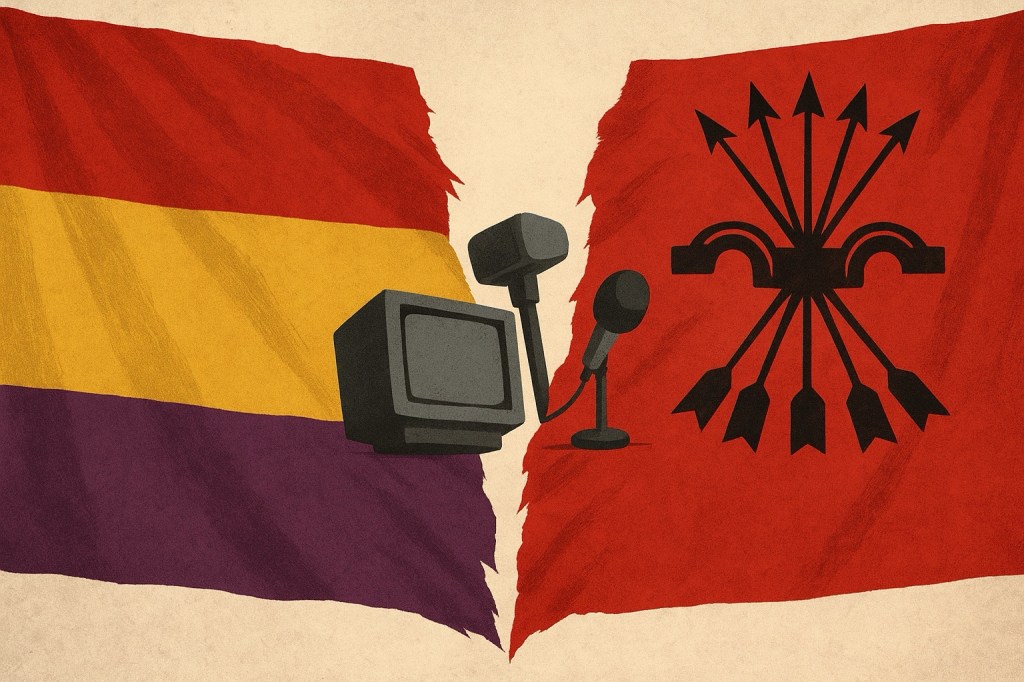
A newer and equally dangerous use of these systems has emerged in the political sphere. The same tools that target consumers now target citizens. Governments with autocratic tendencies have begun using generative models to flood public discourse with persuasive content, to blur the boundary between truth and fabrication, and to cultivate obedience through simulation. Recent reporting shows how executive offices deploy AI to craft political messages, to amplify loyal media, and to drown out dissenting voices. Such practices transform intelligence into propaganda and data into domination. When a state can algorithmically manage perception, democracy becomes performance. The concentration of wealth and the concentration of an engineered belief reinforce each other, both materially and mentally.
We have seen this pattern before. In every technological era, wealth has turned into political power and then used that power to protect itself. Railroad barons shaped monopolies in the nineteenth century. Oil empires steered foreign policy in the twentieth. Today, digital conglomerates write the rules that sustain their dominance. AI follows the same gravitational pull, guided less by human vision than by financial gravity.
In the present order, the union of technological power and financial speculation no longer produces discovery but dependence. Wealth circulates within an enclosed economy of influence and rewards those who design the mechanisms of access rather than those who expand the reach of knowledge. What appears as innovation is often a rehearsal of privilege: an exchange of capital between the same centers of authority, each validating the other while society absorbs the cost. When creativity becomes collateral and intelligence a lease, progress ceases to serve the public and begins to serve itself.
The most seductive illusion sustaining this order is the myth of inevitability—the belief that technological advance must produce inequality, and that no one is responsible for the outcome. It is a useful fiction. It spares those in power from moral scrutiny by turning exploitation into fate. Yet inevitability is a choice disguised as nature. Societies have always shaped the use of technology through their laws, values, and courage to intervene. To accept inequality as destiny is to abandon that responsibility.
Rejecting inevitability means reclaiming the idea of progress itself. Innovation is not progress unless it expands the freedom and security of human life. That requires intentional direction—through public investment, fair taxation, transparent standards, and strong international cooperation. These are not barriers to growth; they are the conditions that make genuine progress possible. Markets alone cannot guarantee justice, and technology without ethics is not advancement but acceleration without direction.
Measuring progress differently would change what we celebrate. If an AI system reduces medical errors in poor communities, strengthens education where resources are scarce, or helps citizens participate more fully in democracy, its worth exceeds that of one that merely increases profit margins. The true measure of intelligence—artificial or human—is the good it brings into the world. Profit is only one form of value; human dignity is another.
At the center of this order lies a quiet hypocrisy. Wealth is praised as the reward of discipline and intelligence, yet it depends on the continuous extraction of value from others—the worker, the consumer, the environment. What appears as merit often rests on inequality disguised as efficiency. The same pattern defines artificial intelligence. Built from shared human knowledge and creativity, it is enclosed within systems that sell access to what was freely given. Both forms of accumulation—financial and technological—draw their power from the very resources they diminish: human labor, attention, and imagination. In claiming to advance society, they reproduce the inequity that turns vitality into stagnation—the inversion of what progress is meant to be.
The fevered talk of trillion-dollar opportunities belongs to an old vocabulary—the language of extraction mistaken for evolution. The real question is whether intelligence will continue to serve wealth or begin to serve humanity. Artificial intelligence offers that choice: to repeat the logic that has long confused accumulation with advancement, or to build a future where knowledge and prosperity are shared. That decision will not emerge by itself. It depends on what societies demand, what governments regulate, and what values define success. The window to decide remains open, though it narrows each time profit is allowed to speak louder than conscience.
The preceding observations concern the consequences of extraction. The institutional logic that produces these consequences belongs to a wider historical pattern in modern economic development. That pattern is examined separately in “The Logic of Extraction.”
*



 Observations On Perception