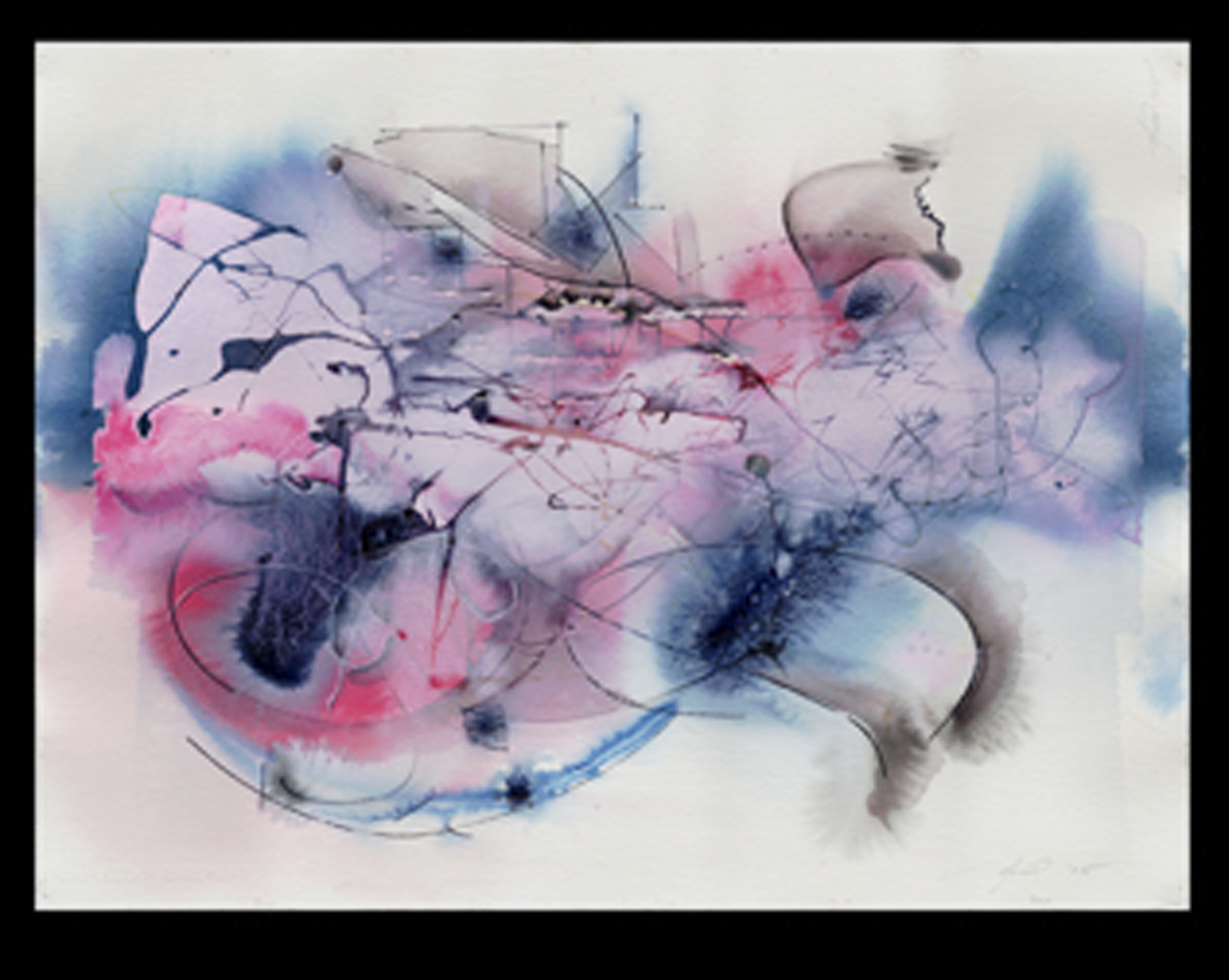
Metaphors of Silent Series, Still Twenty-five: The Spectacle of Commemoration
Oil on linen & board
12″ × 15″ × 1/2″
2012
*
Ricardo F. Morín
November 2025
Oakland Park, Florida
Plans for the semiquincentennial of the American founding now include a high-speed race in the nation’s capital city, a wrestling spectacle, the construction of a triumphal arch, and large financial contributions from sponsors whose presence will become visible as part of the spectacle. Public celebration takes shape through the very arrangement of these events. When remembrance is organized around competition, exhibition, and the public demonstration of force, the form of commemoration begins to influence how the memory of the nation is understood.
The present moment does not arise from one figure alone, even when one figure stands at its center. American history shows recurring periods in which expansion unsettles expectations and produces movements that promise restoration. Similar tensions appeared before the Civil War, during segregation after Reconstruction, and again during later populist waves. Each period translated uncertainty into calls for protection framed as defense of the nation.
The anniversary celebrations reveal more than a schedule of events. Contests of speed, staged confrontation, and monumental display place performance at the center of remembrance. Strength appears before an audience and gains meaning through visibility. Victory and endurance become signs that can be witnessed and shared. Celebration begins to resemble enactment rather than reflection.
Exceptionalism has long existed within American public life. At times it expresses confidence in democratic possibility. At other moments it supports claims that the nation, or a particular group within it, stands apart from ordinary limits. When exceptionalism merges with the belief that one identity alone represents the nation’s character, disagreement begins to change form. Debate shifts from negotiation among citizens toward contests over who speaks for the country.
Public commemorations built around competition and confrontation gradually take on the character of ritual. The race emphasizes speed and conquest of space. The wrestling exhibition presents struggle in visible form. The monumental arch promises endurance beyond the present moment. Seen together, the events place strength on display before an audience, allowing performance itself to establish recognition without argument.
Around the same moment, political leaders describe strength and force as the language understood by the world. The statement reflects what the celebrations already display: power presented as spectacle and endurance as proof of legitimacy. Ritual seeks permanence. Monumental construction turns temporary display into physical presence. Naming monuments after a living political leader departs from earlier commemorative habits that allowed time and collective judgment to determine historical recognition.
Executive decisions that advance commemorative construction place monumentality alongside celebration. Structures, names, and ceremonies reinforce one another. Through repetition and visibility, a leader’s presence moves from political contest into historical space.
Democratic life ordinarily accepts disagreement as part of common participation. Citizens argue, negotiate, and change positions while they recognize one another as members of the same political community. When rhetoric presents one movement as the true voice of the nation, disagreement begins to appear differently. Opponents are described less as participants in debate and more as obstacles to survival.
The change becomes visible in debates over immigration. Public discussion often reduces complex realities into a single category, merging legal processes, undocumented status, and criminal accusation into one narrative. Distinctions that once guided policy discussion give way to simplified frames that emphasize exclusion.
Economic pressure forms part of the same landscape. Unionized workers experience competition when employers hire cheaper labor. These concerns arise from observable changes in employment practice. At the same time, uneven enforcement and political framing can convert economic tension into cultural confrontation. Under such conditions, exclusion begins to function as a sign of strength rather than as a policy choice.
Patterns that begin in policy debate extend into public celebration. Financial patronage connects wealth to the commemorative program. Economic power becomes linked to symbolic expression. Participation becomes visible alignment, and spectacle reinforces authority in ways that extend beyond the commemorative stage into other arenas of governance.
Questions about election control now move beyond ordinary debate. In the United States, counties and states traditionally administer elections under a dispersed constitutional structure. Local officials oversee registration, voting procedures, counting, and certification. Claims that local voting systems cannot be trusted challenge this long-standing arrangement. A majority that asserts control over the narrative of legitimacy can extend that control toward the mechanisms that define participation itself. When authority shifts away from local and state systems toward centralized direction, power moves with it. The struggle turns toward who determines the rules of inclusion and exclusion within the constitutional voting system.
Trade policy and alliance relations reflect the same movement beyond domestic institutions. Tariffs imposed through delegated executive authority shift economic relationships away from negotiated reciprocity toward unilateral assertion. Congress retains formal authority over trade, yet statutory delegation allows the executive to act faster than legislative review. Legal procedure remains in place, while the practical balance between branches changes through speed and concentration of decision-making.
Strain within long-standing alliances follows a similar pattern. Partnerships built on shared limits and mutual confidence give way to expectations shaped by pressure and leverage. External posture begins to mirror internal change and extends a preference for centralized authority into the sphere of international relations. The external arena does not introduce a new direction; it reveals the same logic already present domestically.
The consequence reaches beyond any single arena. When control concentrates within domestic institutions, and external relations begin to follow the same pattern of unilateral assertion, the foundation of republican governance changes because federalism and partnership both depend upon distributed authority. Democratic systems rely on limits that prevent any single power from defining legitimacy alone, whether within elections or in relations with other nations. Governance may continue in form, yet the structure that once restrained power may no longer operate in the same way. The transformation appears gradual rather than sudden and unfolds through practice rather than declaration.
American history shows that transitions toward concentrated authority do not announce themselves in advance. Public celebration and institutional change unfold together and appear ordinary to those who witness them. Authority gathers through accepted practices, and institutions continue to operate even as their balance shifts. The movement toward autocracy becomes visible when concentration of power reshapes participation and limits dissent without formal rupture. A totalitarian State does not begin with declaration; it emerges when control over political life becomes normalized and the structures that once restrained authority cease to function as limits.